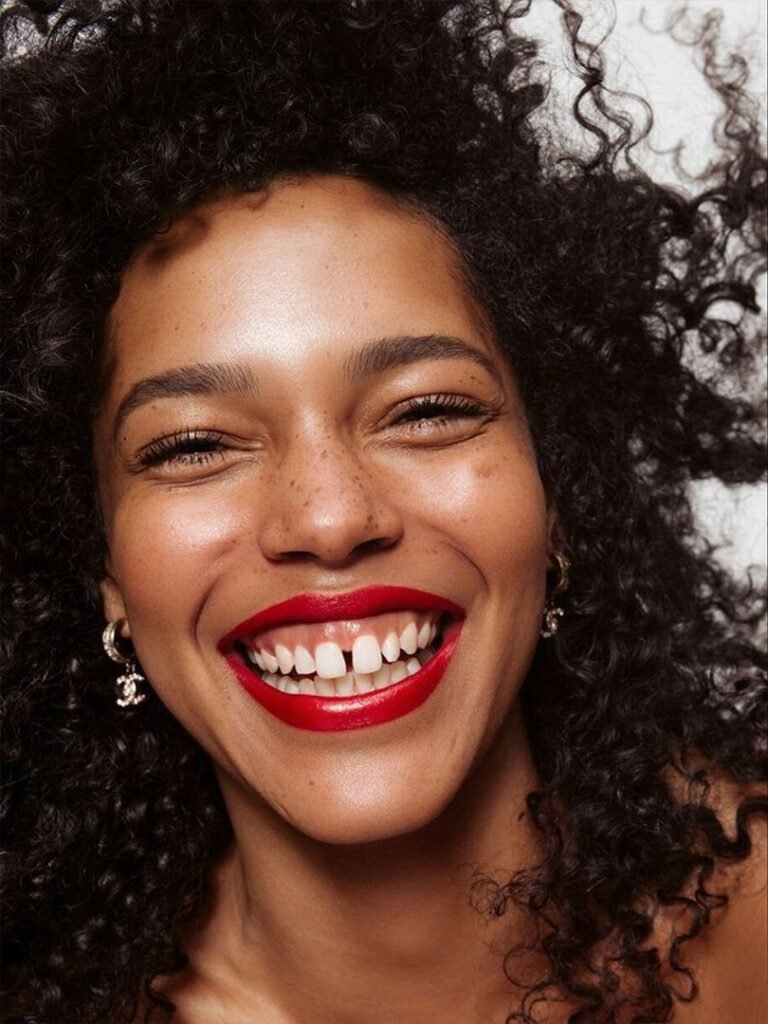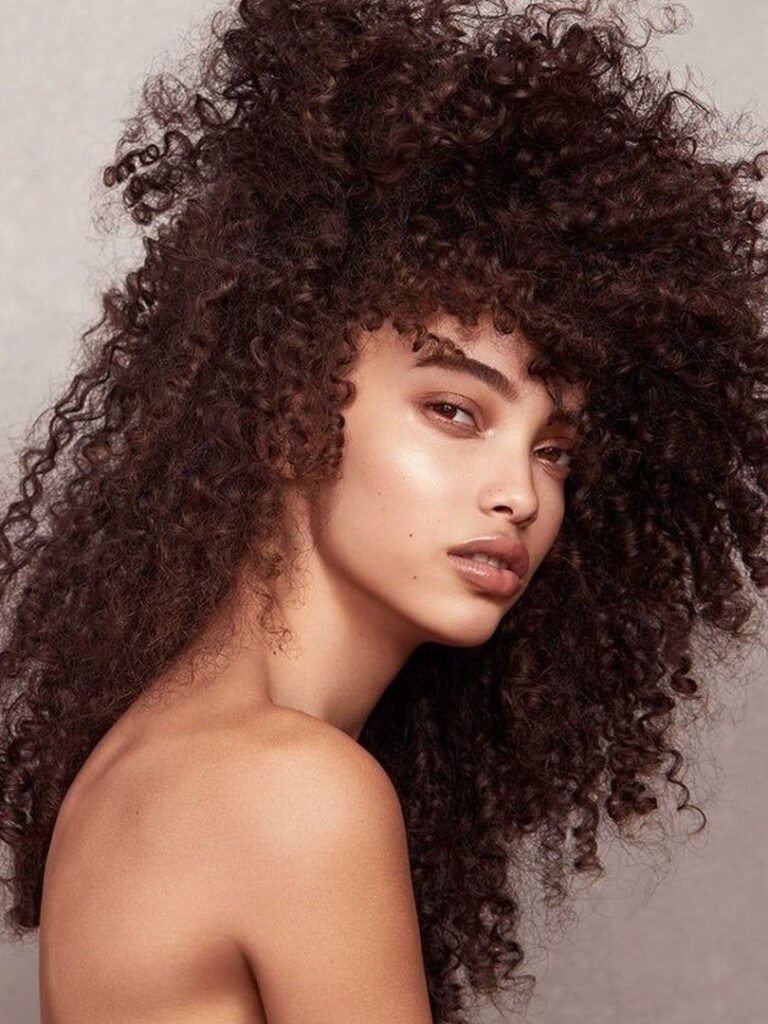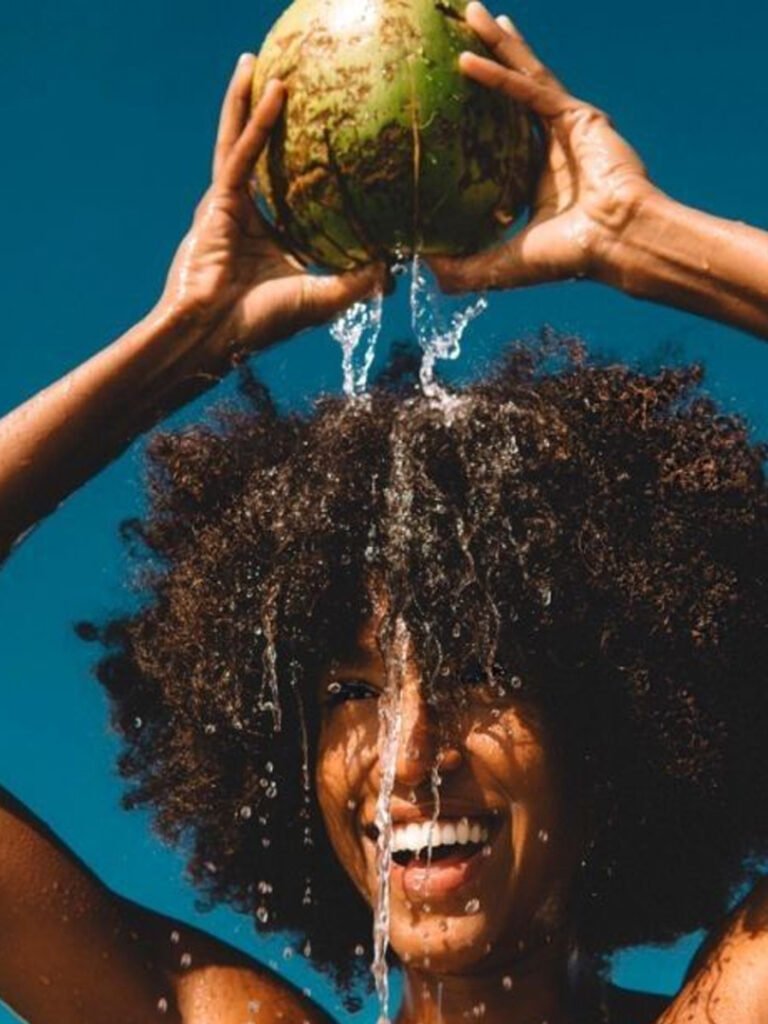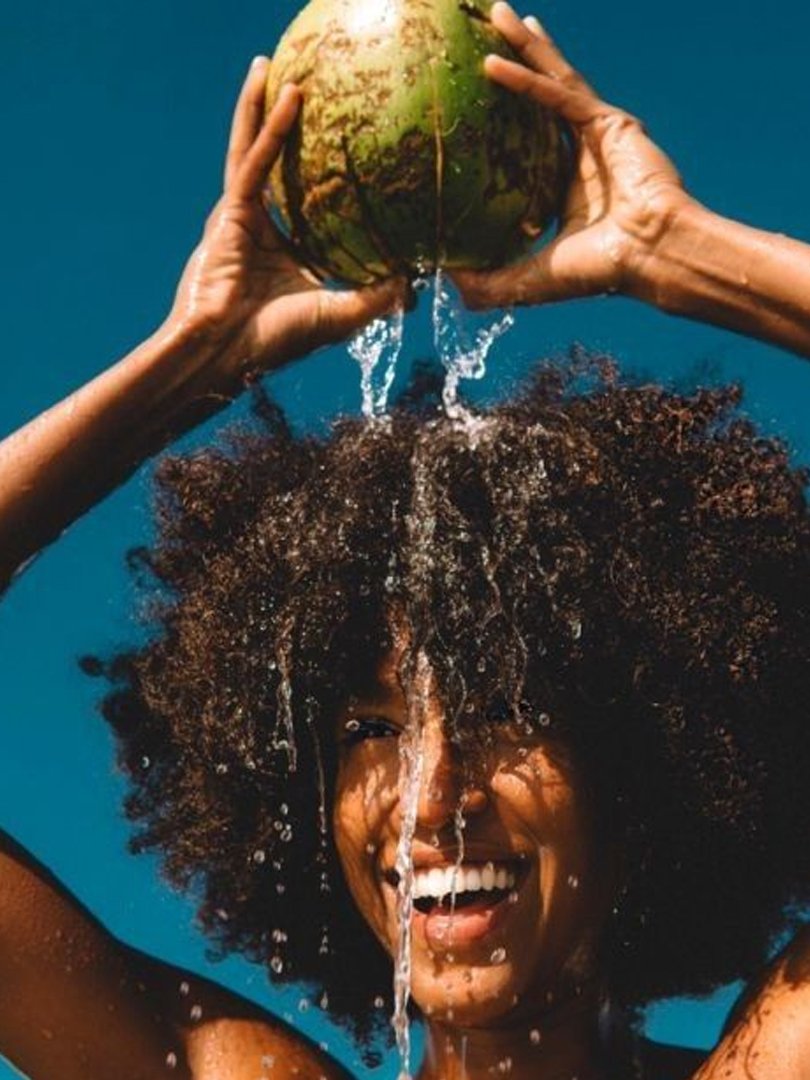
Hydration plays a central role in the health of curly and textured hair. Because curls grow in spiral patterns, the natural oils produced by the scalp travel more slowly along the strand. This structure means textured hair often benefits from routines that prioritise moisture and nourishment.
When hydration is balanced, curls feel softer, more flexible, and easier to manage. When moisture is lost, hair may become dry, fragile, or difficult to detangle.
Understanding how hydration works allows you to support your curls more effectively.
Why Textured Hair Needs Consistent Hydration
The structure of curly and coily hair influences how moisture moves through the strand. Straight hair allows natural oils to travel easily from root to end, while curls create curves that slow this process.
As a result, the ends of textured hair often receive less natural lubrication from the scalp. This is why many curl routines focus on replenishing hydration regularly.
If you want to understand more about how curl structure affects moisture, our guide to caring for curls and coils explains the fundamentals of textured hair care.
Hydration Begins with Cleansing
A healthy hydration routine starts with effective cleansing. When hair is weighed down by product buildup or environmental particles, moisture struggles to reach the hair fibre.
Cleansing helps reset the hair and scalp, allowing hydration and conditioning ingredients to penetrate more effectively.
Balanced cleansers help maintain moisture while restoring clarity to the scalp and hair. This approach supports the hair’s natural ability to absorb hydration.
You can learn more about how cleansing supports hydration in our overview of Hydra-Cleanse Shampoo.
The Role of Conditioning in Hydration
Conditioners help restore softness and flexibility after cleansing. They smooth the cuticle layer while introducing nourishing ingredients that support moisture retention.
For textured hair, conditioning is particularly important because it helps maintain elasticity and reduces friction between strands.
Many conditioners rely on botanical butters that help support hydration and flexibility. Ingredients such as cupuaçu butter are widely valued for their ability to help textured hair retain moisture.
Nourishing the Hair with Lipids
Hydration alone is not always enough to maintain soft curls. Lipids, which include oils and butters, help support moisture retention within the hair fibre.
When hydration and lipids work together, the hair becomes better able to retain softness and flexibility.
Brazilian ingredients such as babassu oil, murumuru butter, and pracaxi oil are known for supporting moisture balance while maintaining the natural movement of curls.
These ingredients help replenish the hair fibre while supporting softness and manageability.
Protecting Moisture Between Wash Days
Maintaining hydration does not end on wash day. Daily habits also influence how well curls retain moisture.
Reducing friction, protecting the hair during sleep, and avoiding unnecessary tension can help maintain hydration between washes.
Refreshing curls gently with moisture-based routines can also help restore softness and definition without needing to repeat the entire wash routine.
If you are looking for practical steps to restore curls during the week, our guide to refreshing curls between wash days explores simple techniques that maintain hydration.
Hydration as a Long-Term Practice
Hydration is not a one-time treatment. It is the result of consistent routines that combine cleansing, conditioning, and nourishment.
When textured hair receives regular hydration and gentle care, curls remain more resilient and expressive. The hair becomes easier to manage and better able to maintain its natural movement.
Caring for curls is not about forcing the hair into a different shape. It is about supporting its natural structure so it can remain healthy and full of life.