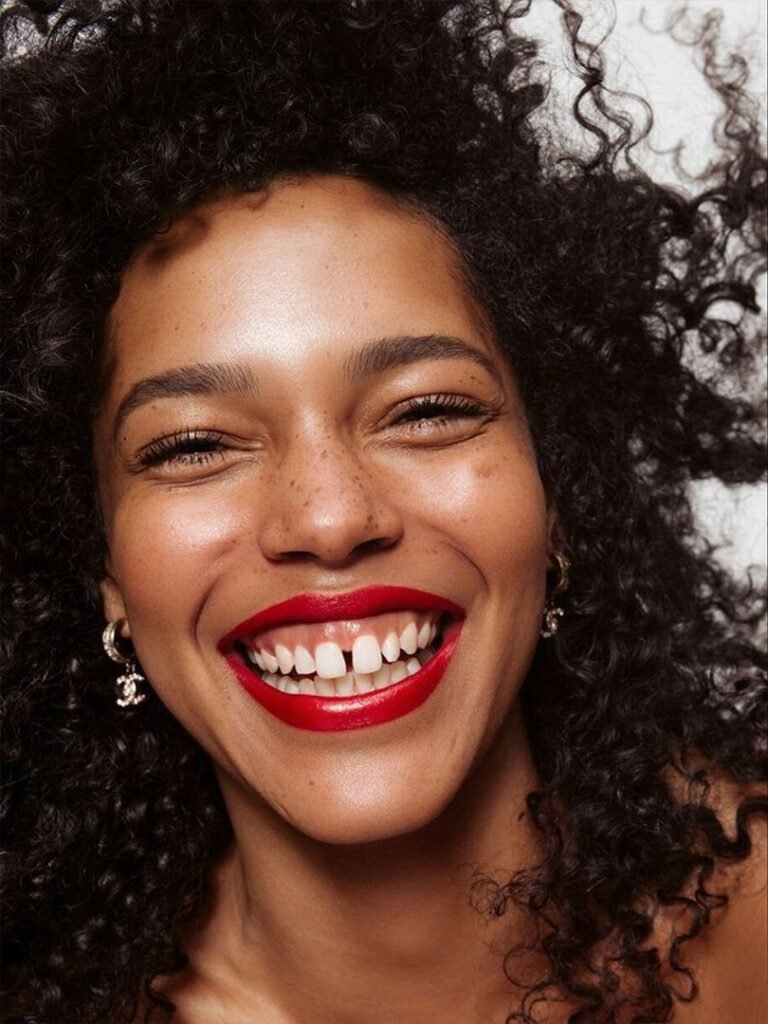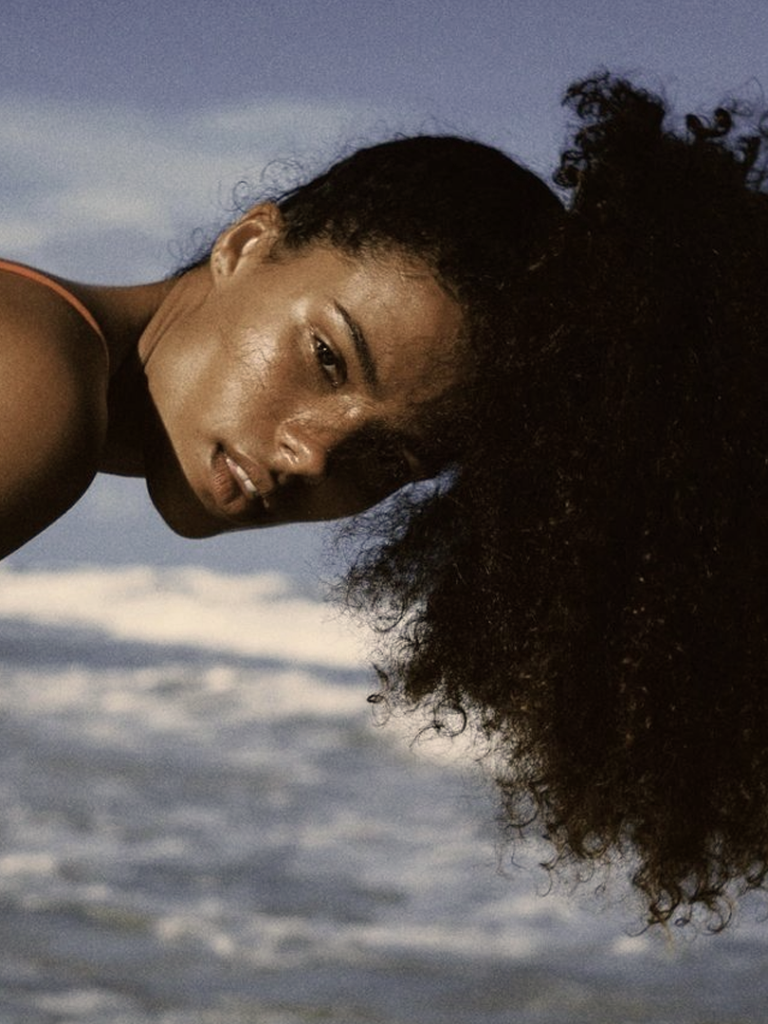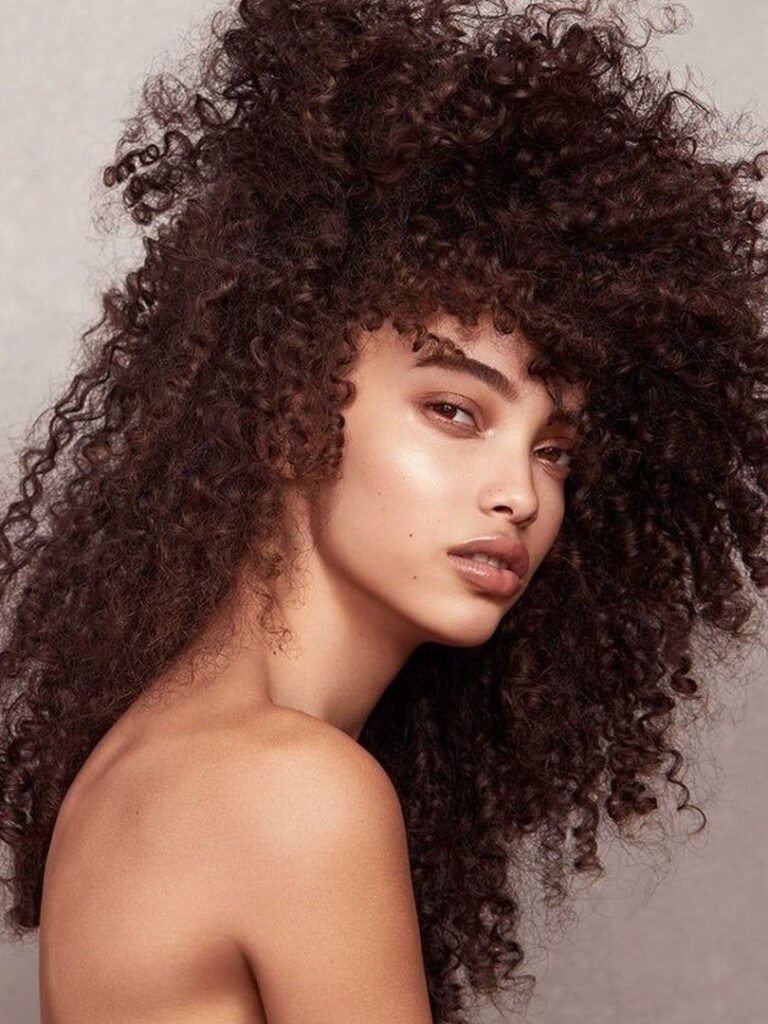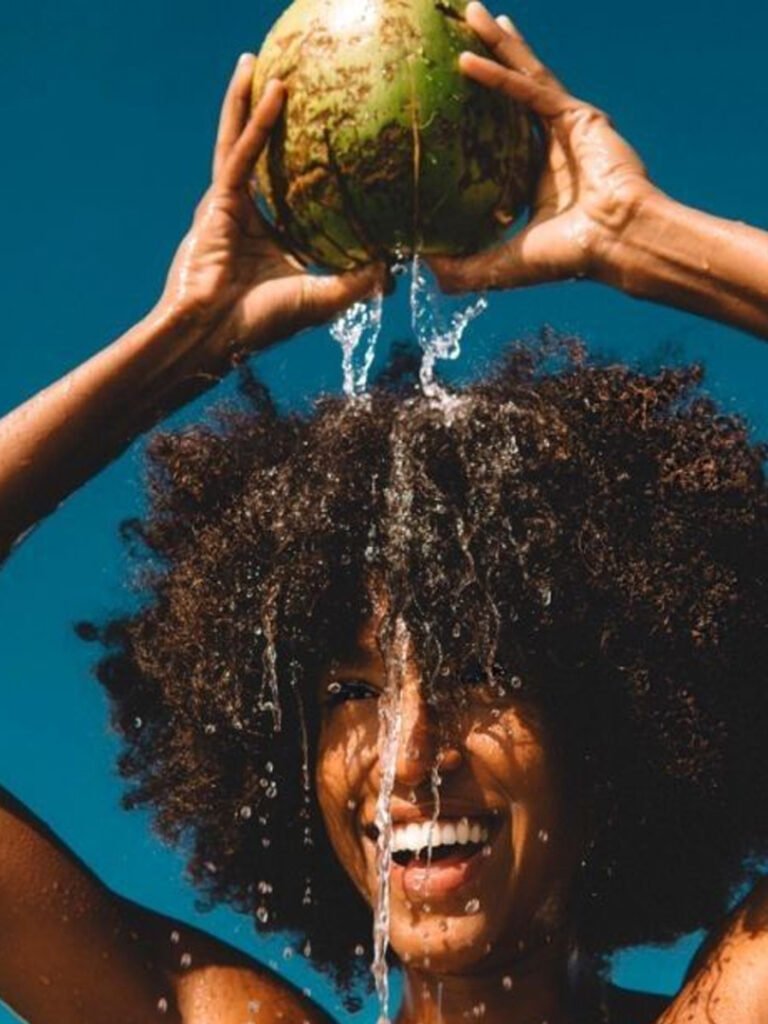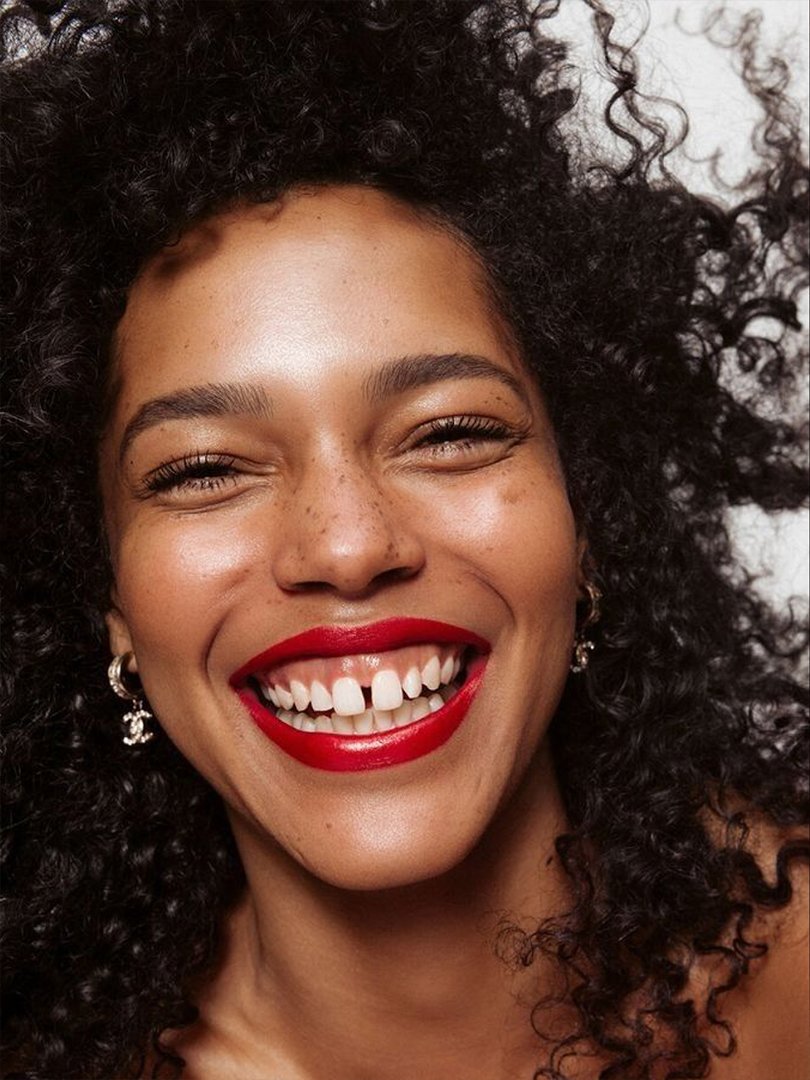
Curly and textured hair follows its own rhythm. The natural spiral of the strand influences how moisture travels and how the hair responds to cleansing, conditioning, and daily care. When that rhythm is respected, curls maintain elasticity, shine, and resilience.
A thoughtful routine does not need to be complicated. In many cases, a minimalist approach built around cleansing, conditioning, and hydration can help curls remain balanced and expressive.
Understanding the Structure of Textured Hair
Curls and coils grow in curved patterns rather than straight lines. This structure gives textured hair its movement and character, but it also means natural oils produced by the scalp travel more slowly along the strand.
Because of this, textured hair often benefits from routines that prioritise hydration and nourishment. Supporting the hair’s natural structure helps maintain flexibility and reduces the risk of dryness or breakage.
If you want to explore how the structure of your hair affects hydration and product absorption, our guide to curl porosity explains how curls interact with moisture.
The Role of Cleansing
A healthy routine begins with a clean foundation. Over time, hair collects product residue, natural oils, and environmental particles that can weigh curls down.
Gentle cleansing refreshes the scalp and prepares the hair to absorb moisture more effectively. The goal is balance rather than removal of all oils. When cleansing is too aggressive, the hair can lose the softness and flexibility that curls depend on.
Our approach to cleansing focuses on restoring clarity while respecting the natural balance of textured hair, as explored in Hydra-Cleanse Shampoo.

Why Conditioning Matters
Conditioning is where curls regain softness and manageability. After cleansing, conditioners help smooth the cuticle and improve slip, making detangling easier and reducing tension on the strands.
Ingredients rich in botanical lipids help reinforce the hair fibre while maintaining movement. When conditioning is consistent, curls feel softer, respond better to styling, and remain more resilient over time.
For a deeper look at how conditioning ingredients support textured hair, explore the role of Brazilian oils and butters.
Hydration and Moisture Balance
Hydration is often discussed in curly hair care, but it is only part of the story. Moisture balance depends on two elements working together: water-based hydration and lipid nourishment.
Hydration introduces moisture to the strand, while oils and butters help retain that moisture within the hair fibre. When these elements work together, curls remain supple, defined, and less prone to breakage.
Several Brazilian ingredients are valued for supporting this balance, including babassu oil, cupuaçu butter, murumuru butter, and pracaxi oil. Each contributes a different form of nourishment, helping maintain softness and elasticity.
You can explore how each ingredient works within textured hair routines in our guide to ingredients for curly and textured hair.
Gentle Detangling
Detangling is one of the most delicate steps in a curl routine. Because strands naturally spiral around each other, knots can form easily if the hair is handled roughly.
Working through the hair slowly while it is conditioned or damp helps maintain curl integrity. Starting from the ends and gradually moving upward reduces tension on the strand.A step-by-step approach to detangling curly hair can help minimise breakage while maintaining definition.
Consistency Over Complexity
Many people believe caring for curls requires complicated routines or large collections of products. In reality, consistency matters far more than complexity.
A balanced routine generally includes three core steps: cleansing the hair, conditioning it thoroughly, and maintaining hydration between washes. When these steps are performed regularly with thoughtful ingredients, curls remain healthier and easier to manage.For a practical breakdown of how to build your own routine, see how to build a curly hair routine.
Listening to Your Hair
Every curl pattern behaves differently. Some hair thrives with frequent cleansing, while other textures prefer longer intervals between washes. Climate, humidity, and lifestyle also influence how curls respond throughout the week.
Learning to observe how your hair behaves is part of developing a routine that feels natural and sustainable. When hair feels soft, manageable, and resilient, it is often a sign that your routine is supporting its natural structure.
Caring for textured hair is not about changing it. It is about understanding it and maintaining the balance that allows curls to remain expressive, healthy, and full of life.